Egyptian museum objects begin with material.
Six ways to read how an object was sourced, made, altered, preserved and displayed—before its image or name takes over.
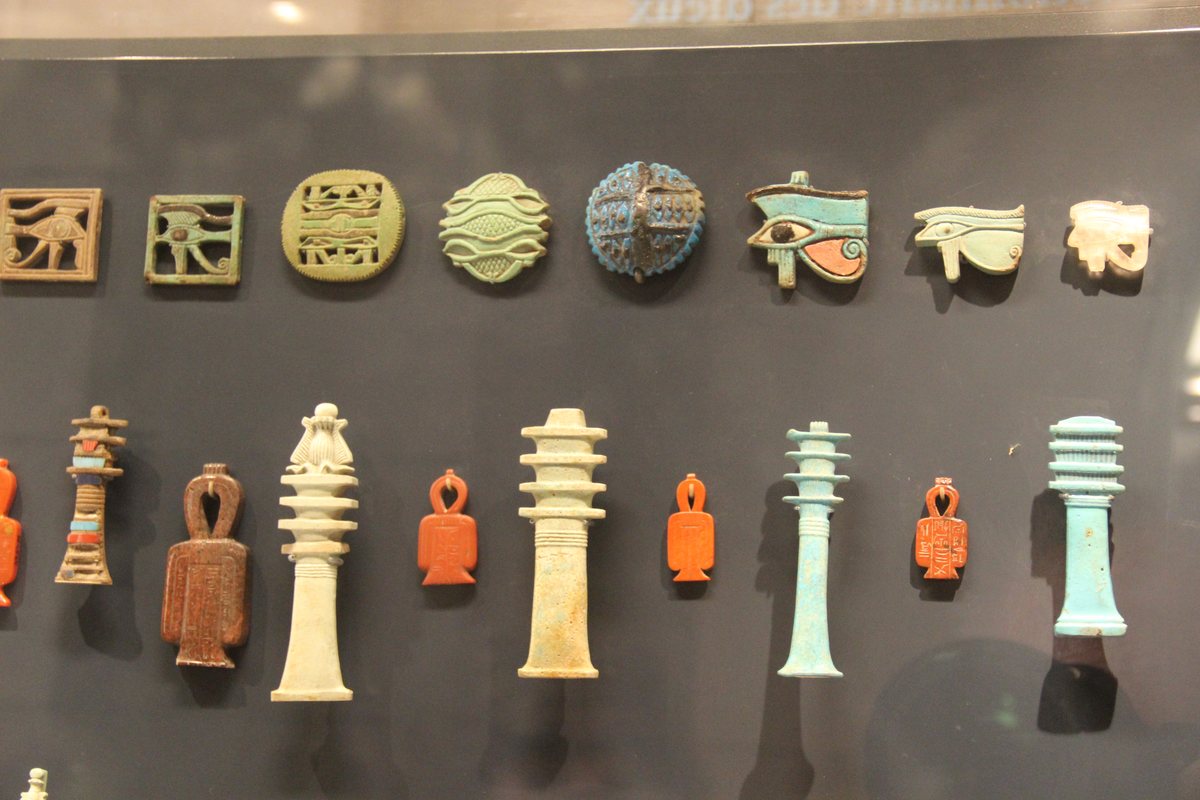
Material is not a caption field.
Stone records extraction and abrasion. Wood makes joining visible. Metal remembers heat and return. Glaze controls colour. Textile counts labour. Papyrus constructs a surface for thought. Each changes again in burial, conservation and display.
Open the specimen cabinet
Begin with what is physically present. Move from observation to process, then context.
Stone is a landscape before it is a monument
Read grain, finish, fracture and scale to recover quarry choices, labour and changing surfaces.
Open field note →Wood keeps the logic of joining
Grain, pegs, paint and repairs reveal how scarce organic material was assembled and maintained.
Open field note →Metal records heat, force and return
Casting, hammering, inlay, corrosion and recycling turn a small object into evidence for connected workshops.
Open field note →Colour is manufactured material
Glaze, body, firing and light explain brilliance more precisely than the label ‘blue object’.
Open field note →Textile makes labour countable
Fibre, spin, weave, dye, repair and display expose the long work held in a fragile surface.
Open field note →A written surface is a constructed object
Sheet joins, line order, pigments and repairs place texts and images back inside material practice.
Open field note →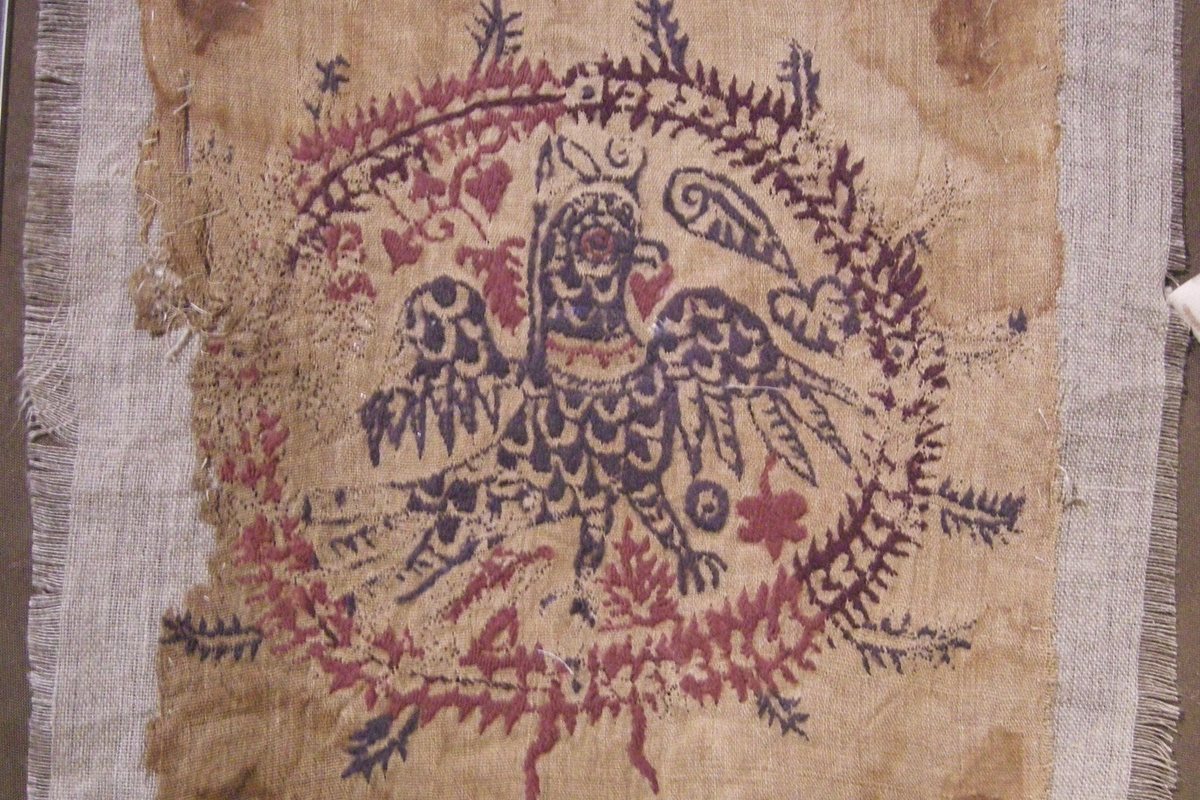
Read thread before image.
A framed motif once belonged to a woven field, perhaps a garment or furnishing. Fibre, spin, warp, weft, edge and repair recover labour that iconography alone cannot show.
Study textile →Museums control current access. We help you look.
Material Egypt does not sell tickets or passes, publish live prices, or claim affiliation. Confirm opening hours, admission, photography and object availability with official institutions.
Open verified institutional links ↗