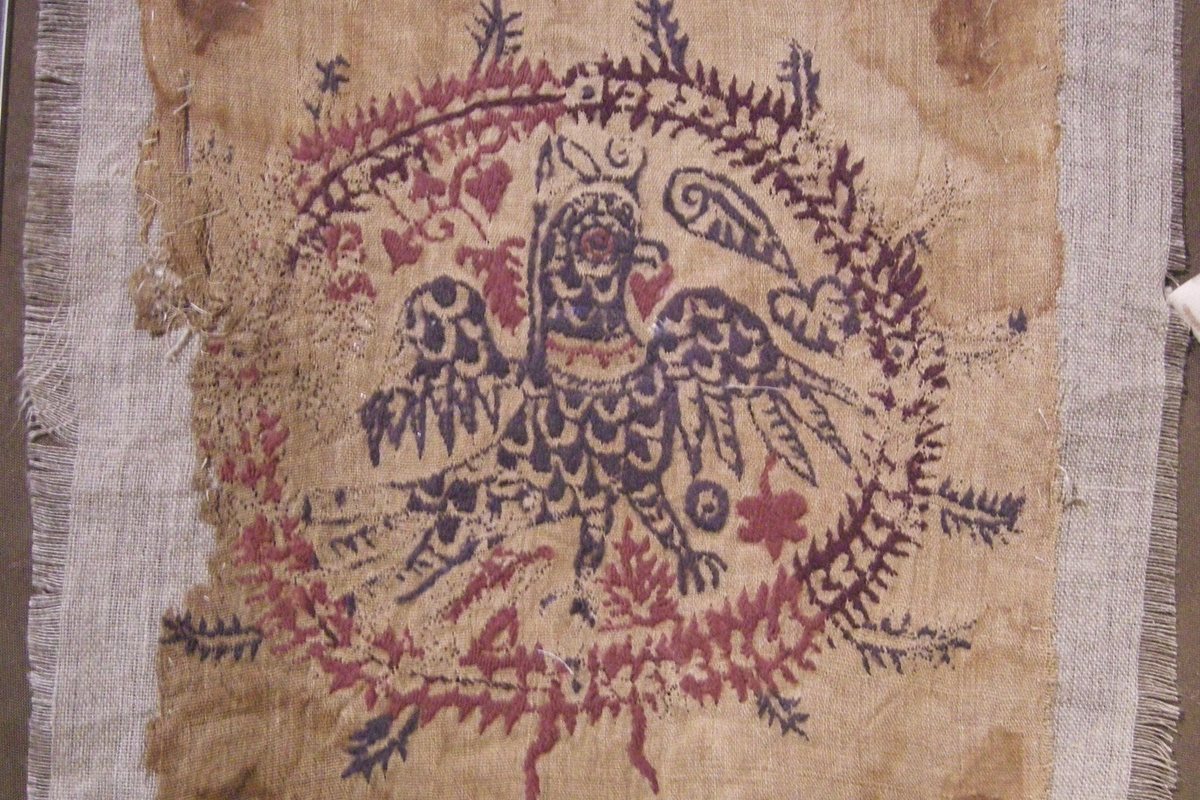
Visibility has a material cost
Light lets visitors see colour, weave and writing, but exposure can drive irreversible fading and chemical change in sensitive materials. Risk depends on intensity, duration, wavelength and the object’s composition and condition. Low light around textiles or papyrus is not poor hospitality by default. It can be an active preservation decision that extends future access.
Rotation can be responsible access
An object may appear for a limited period and return to dark storage, while another takes its place. Displays also change for research, loans, treatment and gallery revision. Never plan a trip around an unconfirmed object. Check the responsible institution near the visit date and accept that a digital record or facsimile may be the safest available form of access.
Gallery light rewrites colour
Warm and cool lamps, reflected case surfaces and dark surroundings change perceived hue. Human vision adapts; phone cameras apply their own processing. Describe the lighting when colour is central to a note. A photograph is useful for layout and later recall where permitted, but it is not a calibrated record unless the institution provides controlled imaging and colour information.
Move instead of using flash
Where photography is allowed, disable flash and follow staff instructions. Change angle to reduce glare, steady the camera and accept the limits of low light. Do not press a lens against a case or block circulation. Some objects cannot be photographed, and rules can change by gallery or temporary exhibition. Official visitor information and on-site signage take precedence over any independent guide.
Compare three versions
If available, compare the original under gallery light, the institution’s online photograph and a published reconstruction. Note what each version clarifies and what it changes. The original preserves scale and material presence; photography can reveal detail; reconstruction proposes a past appearance. Keeping the three separate prevents a vivid reconstruction from becoming an undocumented memory of the object itself.
Write an exposure-aware caption
For a sensitive object, record material, current lighting, whether a facsimile is present and the date you saw it. Avoid promising that the original will remain displayed. If you share a photograph where permitted, do not brighten it so aggressively that present colour becomes misleading. A useful caption explains why low light or rotation matters and directs readers to the institution for current availability.
Material interpretation starts with careful description. Conservation diagnosis and current access belong to responsible professionals and institutions.