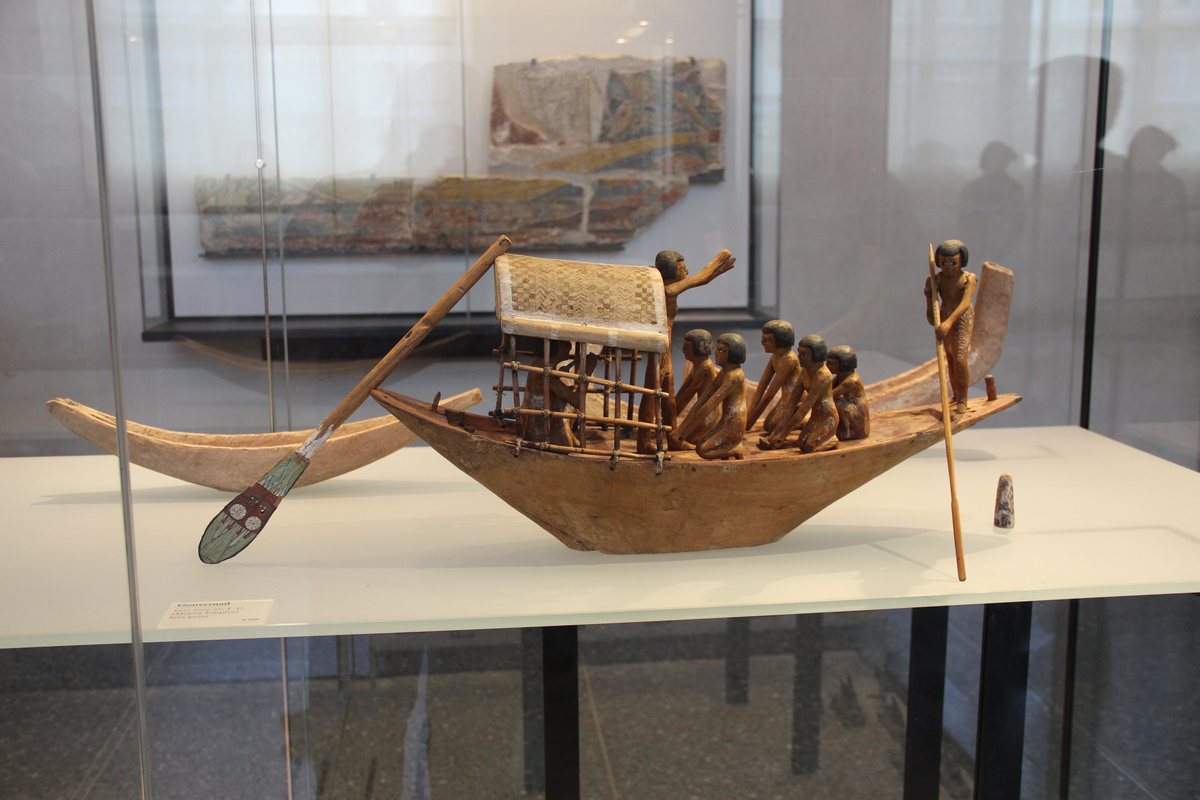
Preservation is not representation
Dry environments can slow microbial and chemical processes that destroy wood, plant fibre, leather and papyrus. That survival is extraordinary, but it is not an even sample of ancient material life. Objects from sealed, protected or arid contexts can dominate galleries while items used in wetter settlements vanish. Begin every comparison by asking whether preservation conditions, rather than past abundance, explain what is visible.
Context can be dry at one moment and unstable later
A tomb or deposit may change after flooding, robbing, excavation or opening to air. Temperature and relative humidity continue to matter once an object enters storage and display. Museum cases and mounts help buffer change. Visitors should not diagnose condition from appearance, but can use conservation labels to understand why an object needs controlled exposure or cannot remain permanently on view.
Organic materials distort the hierarchy of attention
A complete wooden model or painted textile can feel more informative than a stone fragment because it preserves colour and recognizable action. Completeness is not the same as typicality or secure interpretation. Compare its findspot, date and social setting with less spectacular evidence. Exceptional survival should prompt the question ‘why this object?’ before it becomes an illustration for all of Egypt.
Excavation begins a new environment
Removing an object interrupts a long equilibrium. Packing, consolidation, transport, storage and study may be needed before display. Older excavations did not always record or treat organic material in the same way as current projects. The modern discovery date therefore matters: it can help explain available context, treatment history and why related fragments or records are held by different institutions.
Use a survival filter
For each gallery group, list material, findspot type, condition and the environmental requirement that might have favoured survival. Then list likely missing categories. This simple filter keeps absence from becoming proof of non-use. It also connects conservation choices in the present to archaeological formation in the past without pretending that a visitor can reconstruct the full burial chemistry from the case.
Compare preservation across two contexts
Pair one organic object with a stone or ceramic object from a similar date, then compare findspot and condition rather than subject. Ask what the organic survivor reveals that the durable material cannot, and what social or environmental bias shaped both groups. If context is missing, leave the comparison incomplete. The exercise makes exceptional survival analytically useful without turning one protected burial into a universal picture.
Material interpretation starts with careful description. Conservation diagnosis and current access belong to responsible professionals and institutions.