Proximity is a research prompt
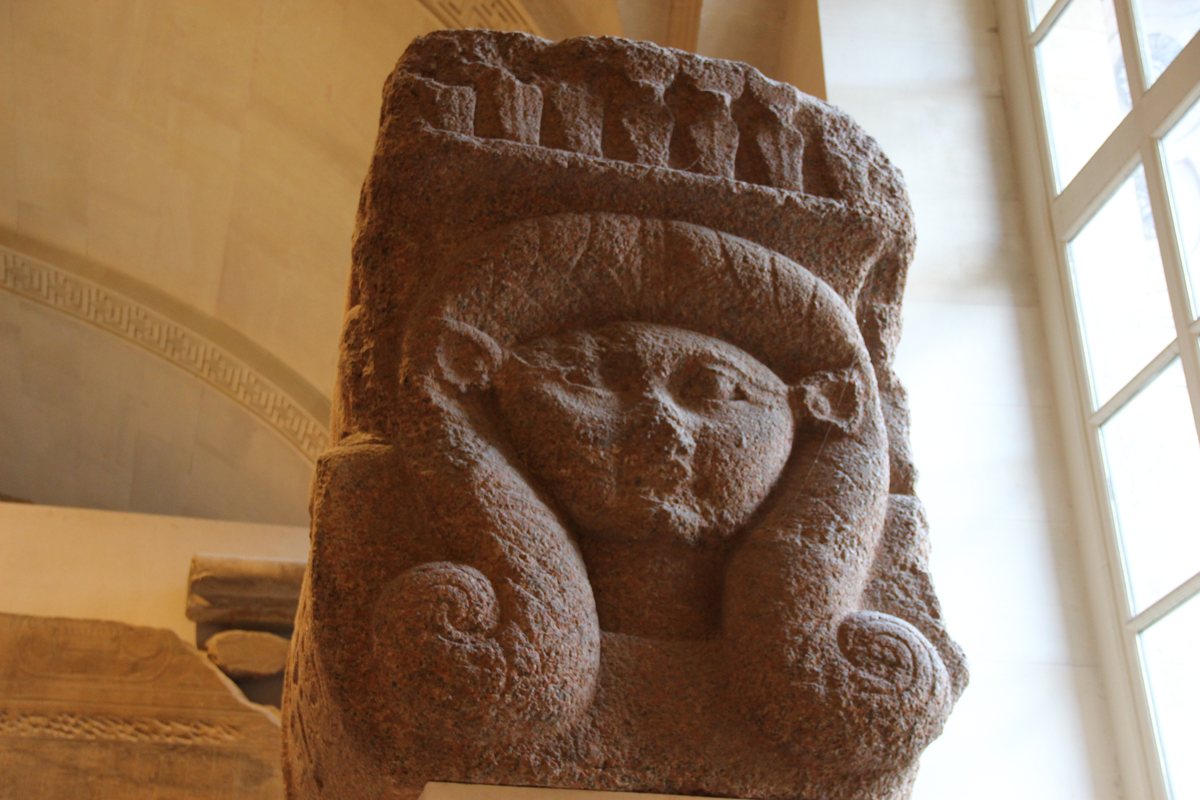
A museum near a quarry, temple or excavation landscape can make scale and transport more legible. Present location does not automatically equal original context. Copy exact findspots, archaeological features and transfer histories. ‘Local’ may refer to production, discovery, subject or current stewardship, and those meanings should remain separate.
At Luxor, compare object and architecture
Luxor Museum can support close relationships between sculpture, smaller finds and Theban archaeological contexts. Ask where a stone element originally stood, what light and viewing distance shaped it, and whether later deposition changed its condition. Site plans and labels can reconnect an isolated piece without pretending the museum arrangement reproduces the ancient building.
At Aswan, make stone source visible
Aswan’s landscape brings quarrying and river movement into the material question. A stone identification can suggest a source, but a full route needs archaeological and textual support. Compare extraction marks or geological explanations at sites with finished surfaces in a museum. Respect barriers: quarry evidence is an archaeological resource, not a surface to climb or touch.
Include Nubian histories and modern displacement
The Nubia Museum connects archaeology, environment, cultural life and the modern history of salvage and displacement associated with dam construction. Preservation achievements and community consequences belong in the same account. Identify whether a statement comes from excavation, institutional history or community testimony; no single material object can carry that entire history alone.
Plan fewer, deeper stops
Heat, travel distance and site scale affect observation. One museum plus one related landscape can produce better notes than a compressed circuit. Confirm current hours, routes, access rules and photography directly with responsible institutions. Carry water where permitted, follow staff guidance and never assume that details reported by an independent editorial site remain current.
Make a river-and-stone field sheet
Divide one page into source, making, original setting, deposition, discovery and present display. Add the river only where movement is documented or a reasonable research question, not as automatic explanation. Use solid lines for institutional information and dotted lines for hypotheses. At the end of the day, the blank cells will show whether you need a site plan, catalogue, geological study or excavation report. Where an institution identifies a rescue or transfer date, add it as a separate modern movement rather than folding it into ancient transport.
Material interpretation starts with careful description. Conservation diagnosis and current access belong to responsible professionals and institutions.